-2.png?width=280&height=107&name=black%20no%20shadow%20(1)-2.png "Adventurous Women")

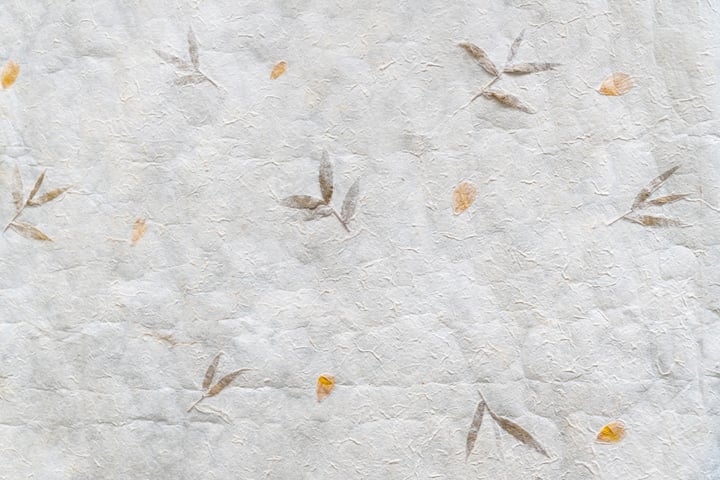
Washi paper is a traditional Japanese handmade paper crafted from the inner bark fibres of native plants such as kozo (mulberry), mitsumata, and gampi. Renowned for its strength, durability, and unique texture, washi has been an essential part of Japanese culture for over 1,300 years. It is used in a wide range of applications, from calligraphy, origami, and lanterns to shoji sliding screens, wall coverings, and the preservation of ancient artworks and documents.
Unlike mass-produced paper, washi reflects a deep connection to nature and craftsmanship, with each sheet made slowly by hand, often using techniques passed down through generations. Its resilience and beauty have made it both a practical material and an art form in its own right.
Rogier & Washi Paper
In the misty mountains of Japan’s Gifu Prefecture, a centuries-old tradition quietly endures, nurtured by the hands of a Dutch-born craftsman who has dedicated his life to its survival. Rogier Uitenboogaart, a papermaker from the Netherlands, has spent more than four decades preserving the ancient art of washi — traditional Japanese paper — ensuring this fragile yet resilient craft continues to thrive in the modern world.
A Journey from the Netherlands to Japan
Rogier Uitenboogaart’s love affair with paper began in his homeland. As a young artist in the Netherlands during the 1970s, he discovered the creative potential of handmade paper, which quickly blossomed into a deep fascination. But it wasn’t until he travelled to Japan in the early 1980s that this fascination turned into a lifelong calling.
Japan’s papermaking tradition dates back over 1,300 years, with washi revered not only for its beauty but also for its remarkable durability. Made by hand from the inner bark of plants such as kozo (mulberry), mitsumata, and gampi, washi has been used for everything from calligraphy and screen doors to official documents and ceremonial objects. It is considered a living art — one that reflects Japan’s spiritual connection to nature, craftsmanship, and community.
Captivated by the philosophy and precision behind washi making, Rogier immersed himself in learning the craft. What was intended as a short artistic visit turned into decades of study, dedication, and eventually, stewardship of a fading cultural treasure.
Life in the Mountains and the Birth of Kamikoya Washi Paper
Rogier spent time in Kurotani, a small village nestled in the mountains of Kyoto Prefecture, one of the few remaining centres of traditional washi production. For over 800 years, the families of Kurotani have passed down the secrets of washi making through generations. Here, Rogier not only honed his craft but also became a respected member of the community, helping to keep the industry alive as younger generations increasingly turned away from this labour-intensive tradition.
In 2006, Rogier and his family opened Kamikoya, a studio in the hills outside Yusuhara in Kochi prefecture.
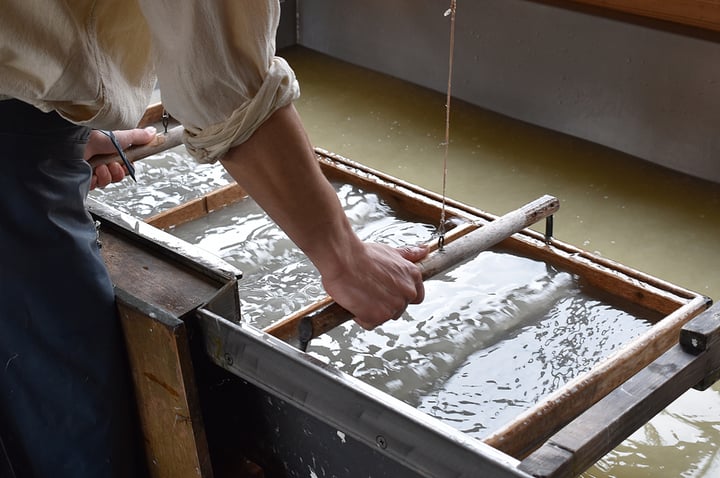
Rogier’s workshop produces washi entirely by hand, using traditional methods that date back centuries. He grows his own kozo plants, harvests them, and follows the painstaking process of steaming, stripping, boiling, and beating the fibres before transforming them into sheets of lustrous, delicate paper. The process is slow, meticulous, and dependent on nature — the quality of water, the right weather conditions, and the health of the plants all play a role.
Preserving a Dying Art
The art of washi is in danger. Industrialisation, declining rural populations, and a lack of young apprentices threaten its survival. In 2014, UNESCO recognised washi as an Intangible Cultural Heritage, highlighting the urgent need to protect this craft. But more than official recognition, it is people like Rogier — passionate, patient, and skilled — who are keeping the tradition alive.
Rogier is not only a craftsman but also a teacher and advocate for washi. Through workshops, exhibitions, and collaborations with artists worldwide, he shares the beauty and significance of handmade Japanese paper. His work has been used in art, design, and conservation projects, including the restoration of ancient documents and artefacts.
For Rogier, making washi is more than a technical process — it is an act of respect for nature, tradition, and the human spirit. His dedication reflects a quiet yet powerful form of cultural stewardship, bridging East and West, past and present.
A Legacy Rooted in Nature
As modern life accelerates, the rhythm of Rogier's papermaking remains tied to the seasons. It is a reminder that some of humanity’s most beautiful achievements come not from speed or convenience but from patience, craftsmanship, and harmony with the natural world.
In the folds of every sheet of washi that leaves Rogier Uitenboogaart’s workshop lies a story — not just of paper, but of resilience, tradition, and of a small number of artisan’s unwavering commitment to preserving an ancient Japanese art for generations to come.
---
Adventurous Women includes a half-day workshop at Kamikoya Washi Paper on our Japan Adventure tour. Join us by registering your interest in our Japan tour here.